
If you ride a scooter daily in India, you already know the pain. Petrol prices keep rising, traffic keeps getting worse, and short city rides still burn a surprising amount of fuel every month. For many office commuters and college students, a simple 12–20 km daily ride can easily cost ₹2,500–₹4,000 per month in petrol.
That is exactly why electric scooters have suddenly become one of the fastest growing segments in the Indian two wheeler market. Brands like Ola Electric, Ather, TVS, Bajaj, and Hero are competing aggressively to build practical electric scooters that can handle real Indian riding conditions.
But here’s the problem many buyers face: there are now too many options. Specifications look impressive on paper, but real world usage, charging convenience, service network and long term ownership matter far more.
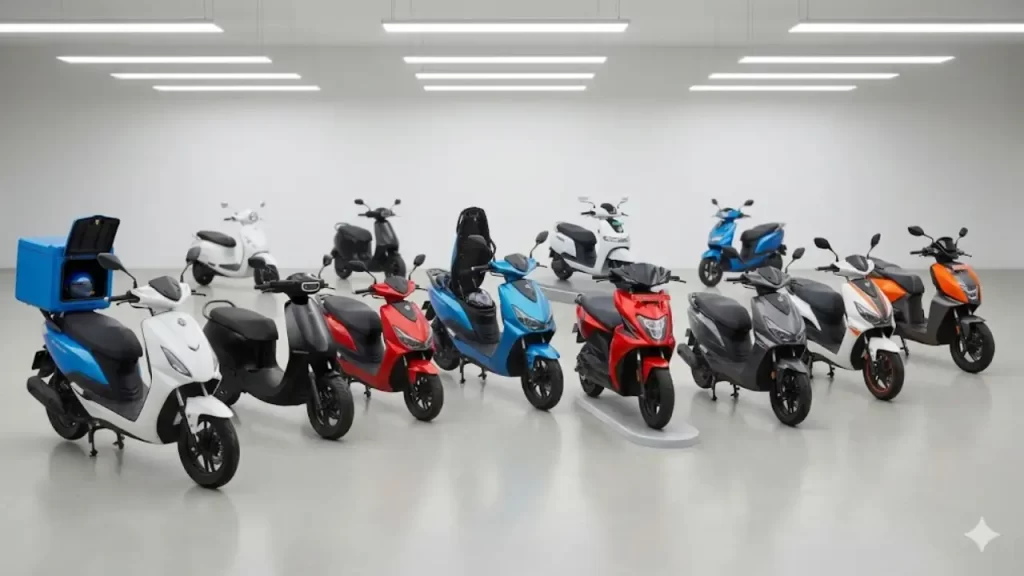
So in this article, I’ll walk you through the Top 10 electric scooters in India in 2026 based on practicality, performance, brand reliability and value for money.
Top 10 Electric Scooters in India
1. Ather 450X
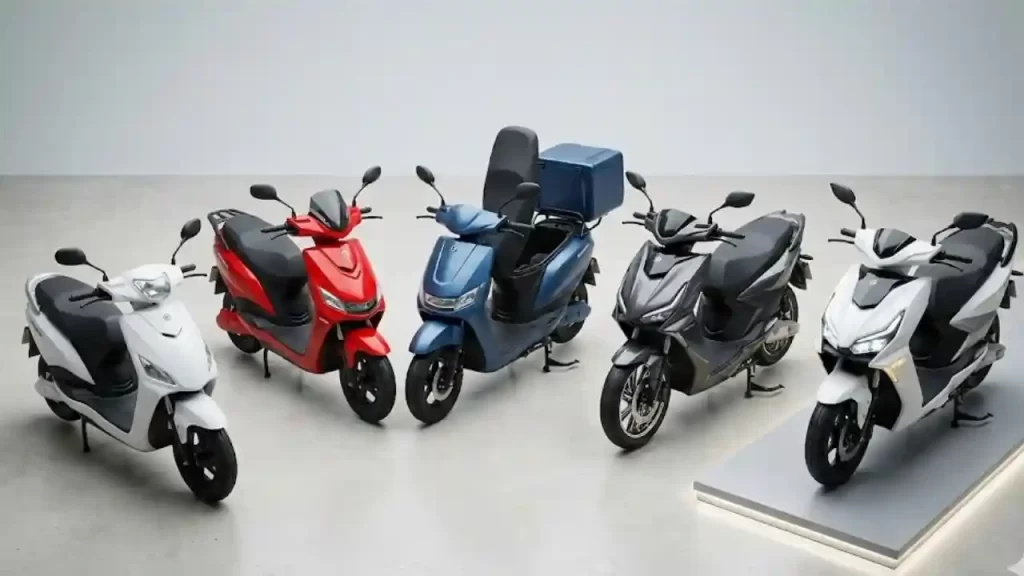
The Ather 450X from Ather Energy remains one of the most refined electric scooters you can buy today.
It is known for excellent build quality, smooth acceleration and a very polished riding experience.
The scooter comes with a 3.7 kWh battery pack and offers a claimed IDC range of around 150 km, although in real city riding you can expect roughly 105–115 km.
One thing that stands out with Ather is the riding feel. The suspension setup, braking and stability make it feel more like a premium motorcycle than a typical scooter.
Charging is also practical because Ather has built a growing Ather Grid fast charging network across major Indian cities.
2. Ola S1 Pro (Gen 2)
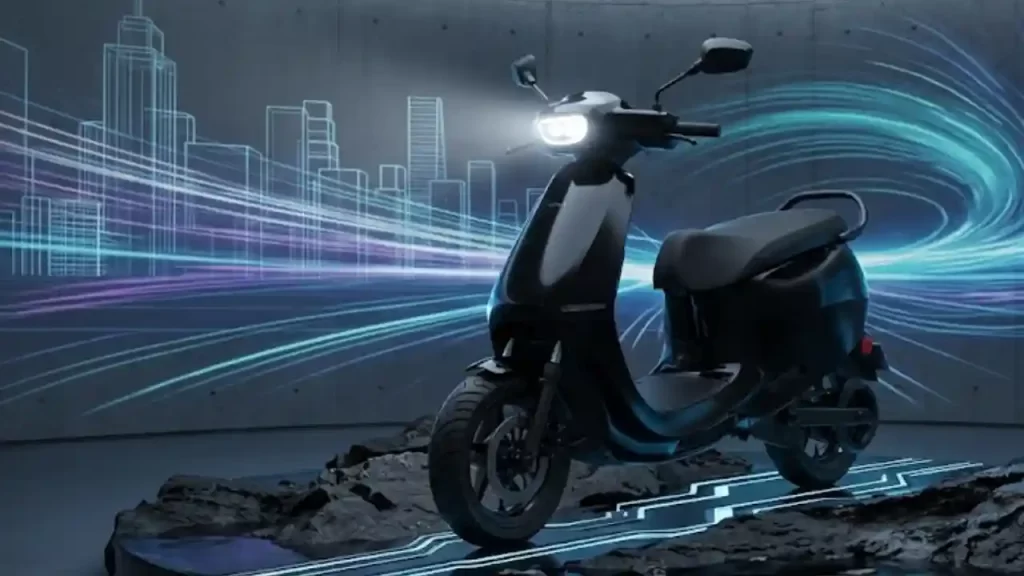
The Ola S1 Pro from Ola Electric is probably the most talked about electric scooter in India.
It offers a large 4 kWh battery with a claimed 195 km IDC range, although most riders typically see 120–140 km in real usage depending on riding mode.
Performance is one of its highlights. The scooter can reach speeds close to 120 km/h, making it one of the fastest electric scooters in the segment.
However, some buyers still consider the service experience before purchasing, since the service network is still expanding compared to legacy brands.
3. TVS iQube
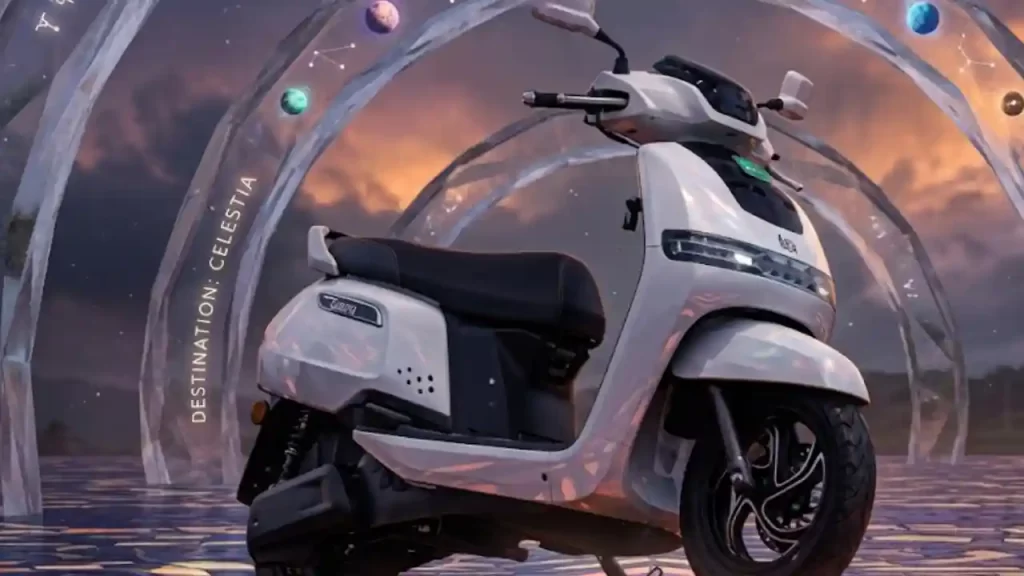
The TVS iQube from TVS Motor Company has quietly become one of the most trusted electric scooters in India.
TVS focused on reliability rather than flashy specs.
Depending on the variant, the scooter offers 2.2 kWh to 5.1 kWh battery capacity with a claimed range between 100 km and 150 km.
For many buyers, the biggest advantage is TVS’s huge dealership and service network, which makes ownership less stressful.
4. Bajaj Chetak Electric
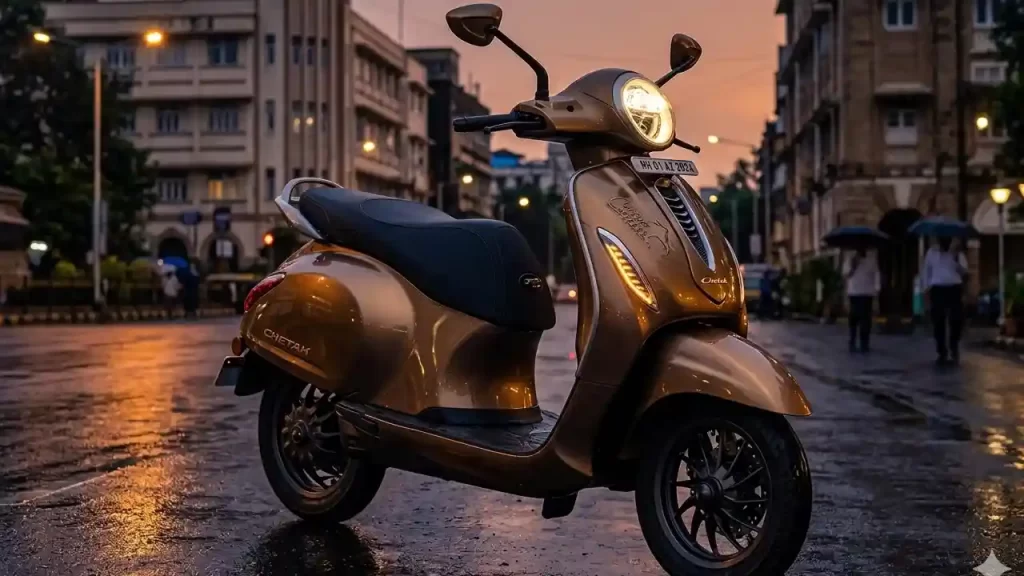
The Chetak Electric from Bajaj Auto brings back a legendary Indian scooter name in electric form.
Unlike many EV scooters that use plastic panels, the Chetak uses a metal body, which gives it a premium feel and durability.
Its battery offers around 108–127 km claimed range depending on variant.
It may not be the fastest scooter, but the refinement and reliability make it appealing to family buyers.
5. Ather Rizta
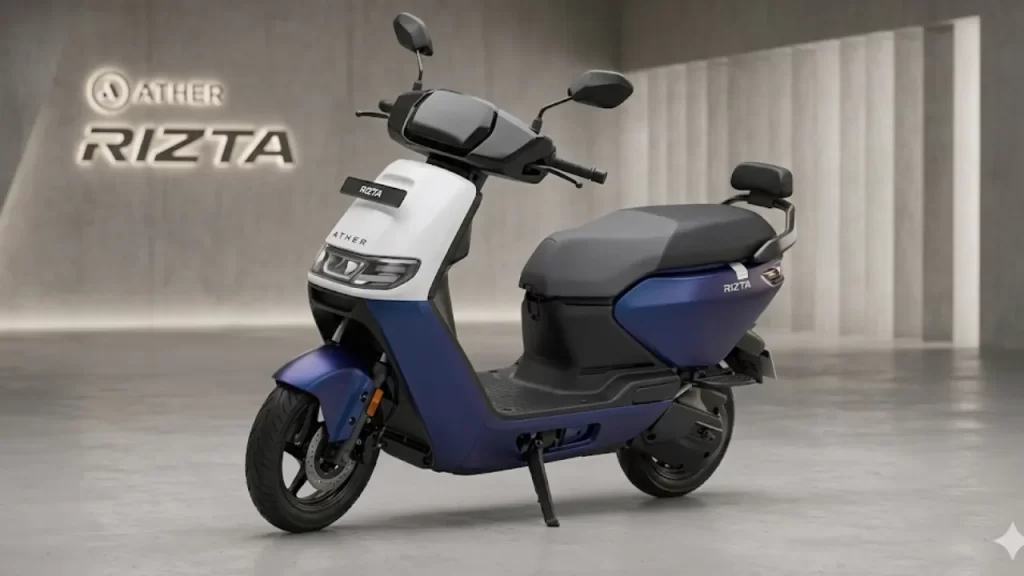
The Ather Rizta is Ather’s family oriented scooter.
Compared to the sporty 450X, the Rizta focuses on comfort, large seat space and practicality.
With a 2.9 kWh or 3.7 kWh battery, it offers a claimed range of roughly 125–160 km.
If your daily usage involves carrying family members, grocery bags or longer city rides, Rizta is one of the most practical options available.
6. Hero Vida V1
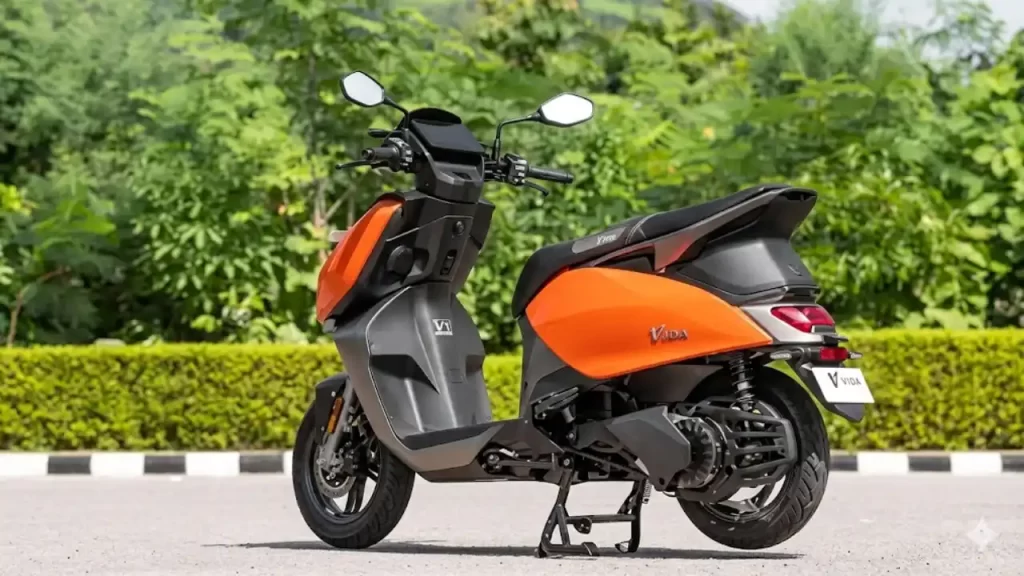
The Vida V1 from Hero MotoCorp introduces an interesting feature: removable batteries.
This allows users living in apartments to simply take the battery upstairs and charge it at home.
The scooter offers around 143 km claimed range and strong acceleration for urban riding.
7. Simple One
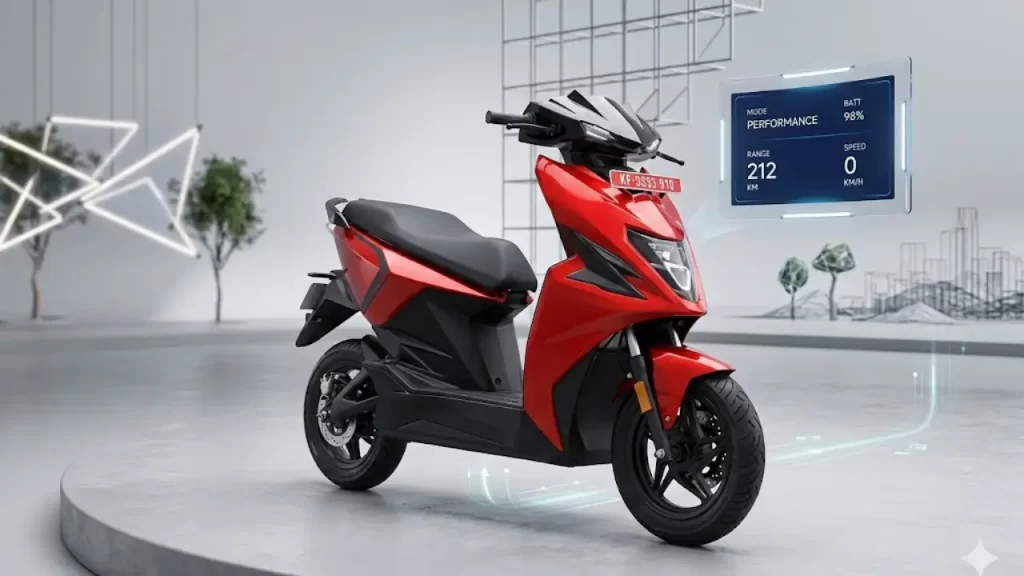
The Simple One from Simple Energy gained attention for its extremely high claimed range.
With a large battery pack, it offers over 200 km claimed range, although real world usage usually falls closer to 150 km depending on riding conditions.
It also offers quick acceleration and modern connectivity features.
8. Okinawa PraisePro
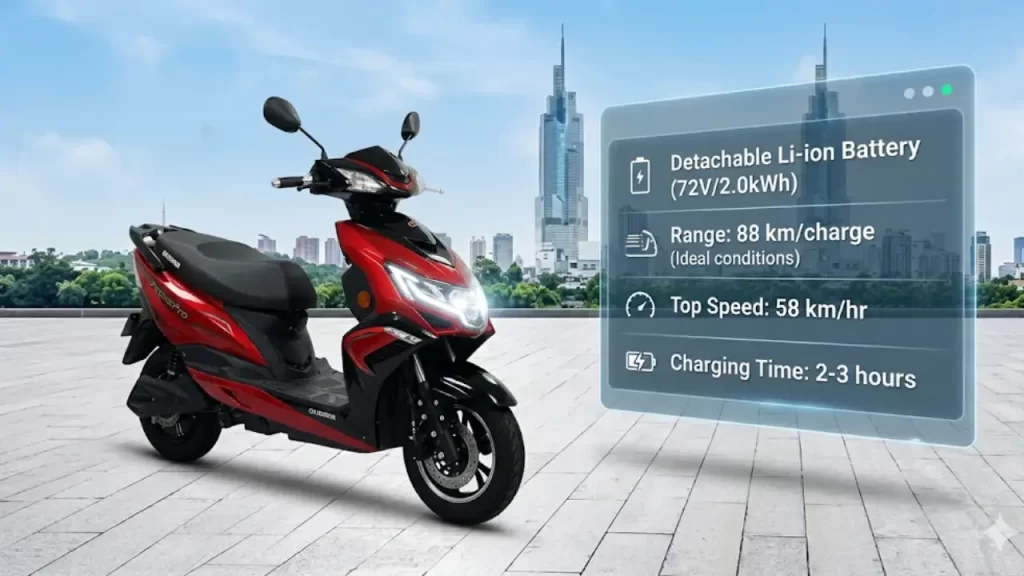
The PraisePro from Okinawa Autotech is positioned as an affordable electric scooter.
It offers around 80–90 km range with a removable lithium battery and a top speed of about 58 km/h.
It works well for short daily commutes like school runs or small town travel.
9. Ampere Nexus
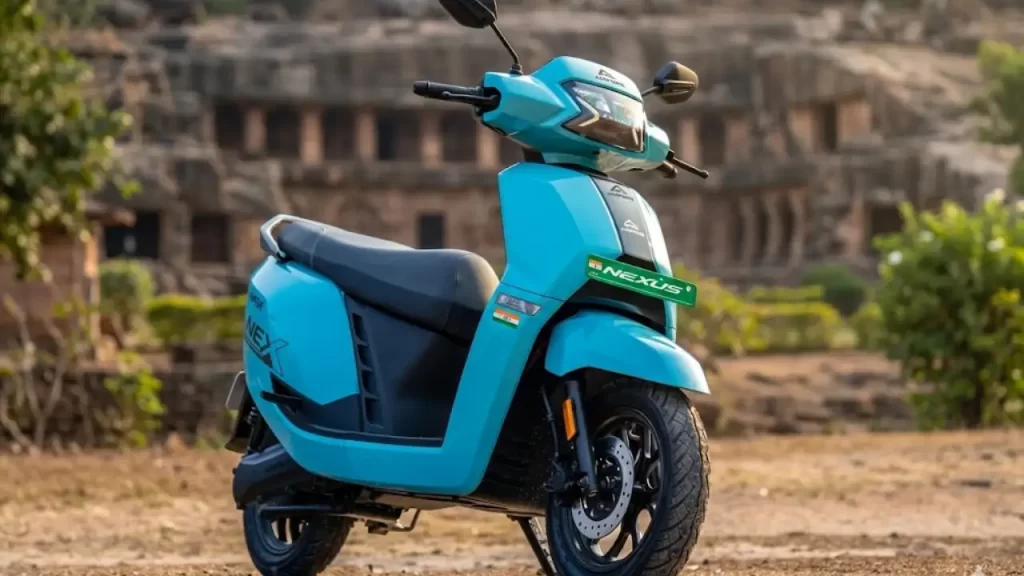
The Ampere Nexus from Ampere Vehicles is designed for comfortable family riding.
It offers a claimed 130 km range and a comfortable suspension setup designed for Indian roads and potholes.
10. Bounce Infinity E1
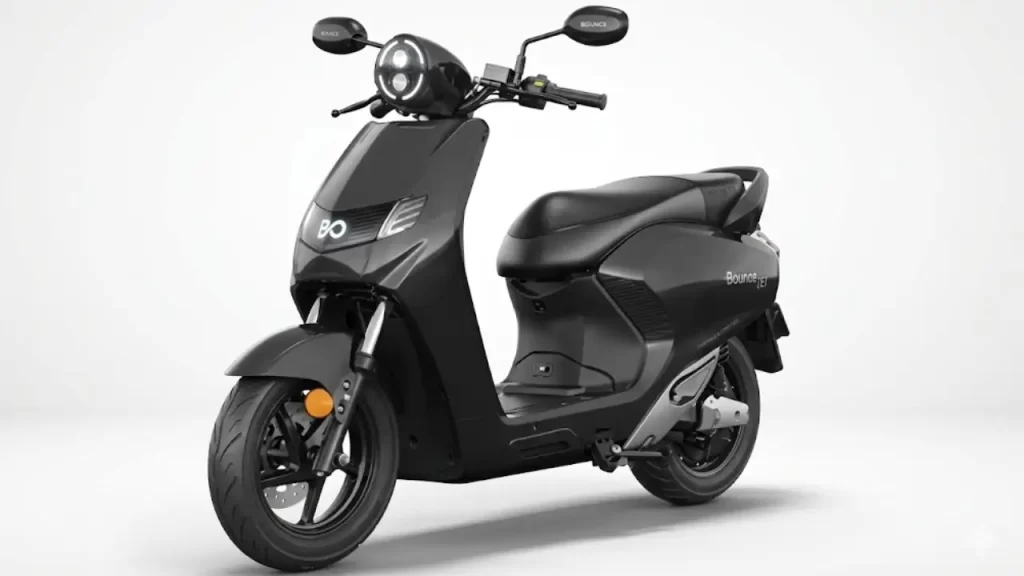
The Infinity E1 from Bounce Infinity focuses on affordability and flexibility.
It supports battery swapping and removable battery charging, which is convenient for people living in apartments without dedicated parking charging points.
Real World Riding Scenarios in India
In everyday Indian traffic conditions, most riders travel between 10 km and 40 km per day. Electric scooters handle this easily.
For example, a typical office commute from suburbs to a metro station might be 8 km each way. A scooter like the Ather 450X or TVS iQube could run 3–4 days on a single charge.
College students often prefer performance oriented scooters like the Ola S1 Pro because of its faster acceleration and tech features.
Meanwhile family riders usually choose Chetak, Rizta or iQube because they prioritize comfort and reliability.
Price and Value Analysis
Most electric scooters in India currently fall between ₹90,000 and ₹1.50 lakh (ex showroom).
Budget buyers usually look at models like Okinawa or Bounce.
Mid range buyers often choose TVS iQube or Ather Rizta.
Performance focused riders generally go for Ather 450X or Ola S1 Pro.
Government subsidies and state incentives can also significantly reduce the final on road price.
Who Should Buy an Electric Scooter
Electric scooters make the most sense for:
Daily office commuters
College students with predictable travel distance
City riders covering under 50 km per day
Families wanting lower running costs
They may not be ideal for riders who frequently travel 100+ km in a single day or live in areas with limited charging access.
Common Electric Scooter Misconceptions
Many first time EV buyers still worry about battery life and charging.
In reality, most modern electric scooters come with battery warranties of 3–5 years.
Range anxiety is also less of a problem because most daily rides are far shorter than the scooter’s full range.
Charging overnight at home usually takes 4–6 hours, which fits naturally into daily routines.
Ownership and Running Cost Reality
Electric scooters are significantly cheaper to run.
Charging a scooter battery usually costs ₹15–₹30 per full charge, depending on electricity rates.
Compared to petrol scooters that might cost ₹3–₹4 per km, many EV scooters cost under ₹0.40 per km.
Maintenance is also simpler because there is no engine oil, clutch, or gearbox.
Buyer Experience and Market Impact
India’s electric two wheeler market has grown rapidly since 2022.
Companies like Ather, Ola, TVS and Bajaj are investing heavily in new EV platforms and charging infrastructure.
As battery technology improves and charging networks expand, electric scooters are likely to become the default choice for urban commuting.
Share Your EV Experience
Are you already riding an electric scooter?
I’d love to know your real experience.
How much range are you actually getting?
Is charging convenient in your city?
Your experience can help new EV buyers make better decisions.
FAQ
Which is the best electric scooter in India?
The Ather 450X, Ola S1 Pro, and TVS iQube are widely considered among the best electric scooters due to performance, range, and reliability.
What is the real range of electric scooters in India?
Most electric scooters claim 120–200 km range, but real world usage typically delivers 80–140 km depending on riding style and traffic.
How long do electric scooter batteries last?
Most EV batteries are designed to last 5–7 years and come with manufacturer warranties between 3 and 5 years.
Are electric scooters cheaper than petrol scooters?
Yes. Electricity costs per kilometer are significantly lower than petrol, often reducing commuting expenses by 70–80%.