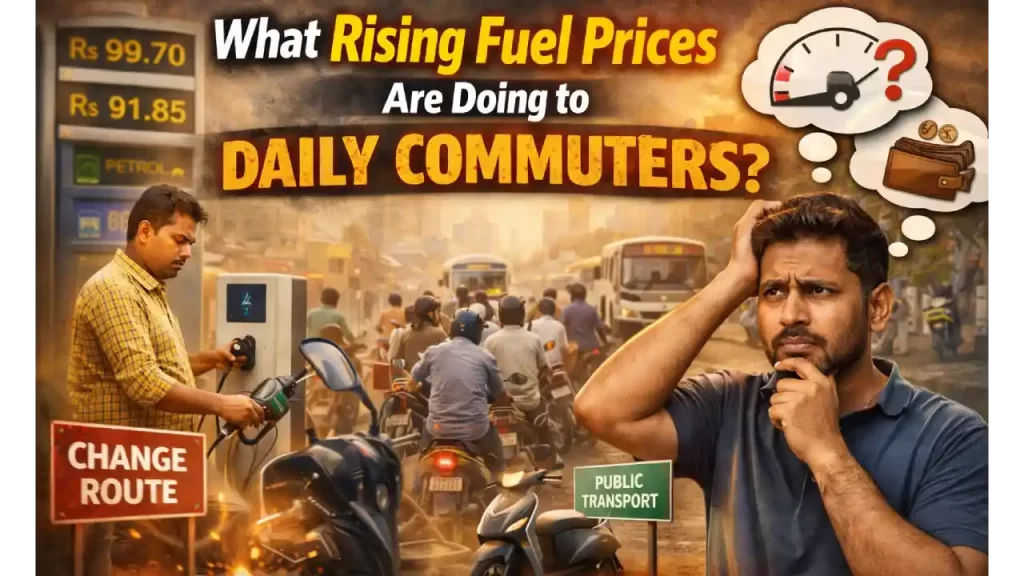

For millions of Indians, fuel prices aren’t an economic headline — they’re a daily calculation.
Every morning, before offices open or shops lift shutters, commuters are already doing quiet math:
How much did the last refill cost? Can I stretch this week without topping up? Do I really need to take the longer route today?
Rising fuel prices have slipped out of policy debates and into everyday life — reshaping how people move, plan, and even think.
The Commute Has Become a Budget Decision
Earlier, commuting was routine. Today, it’s a cost centre.
When petrol prices inch upward, the impact doesn’t feel dramatic in one go — it accumulates. Daily riders on two-wheelers feel it first, because fuel is often their single biggest recurring expense after rent or food.
What’s changed is not just the price — it’s the frequency of thinking about it. Fuel now dictates:
- How often people travel
- Which routes they choose
- Whether errands are combined or postponed
Commuting is no longer automatic. It’s strategic.
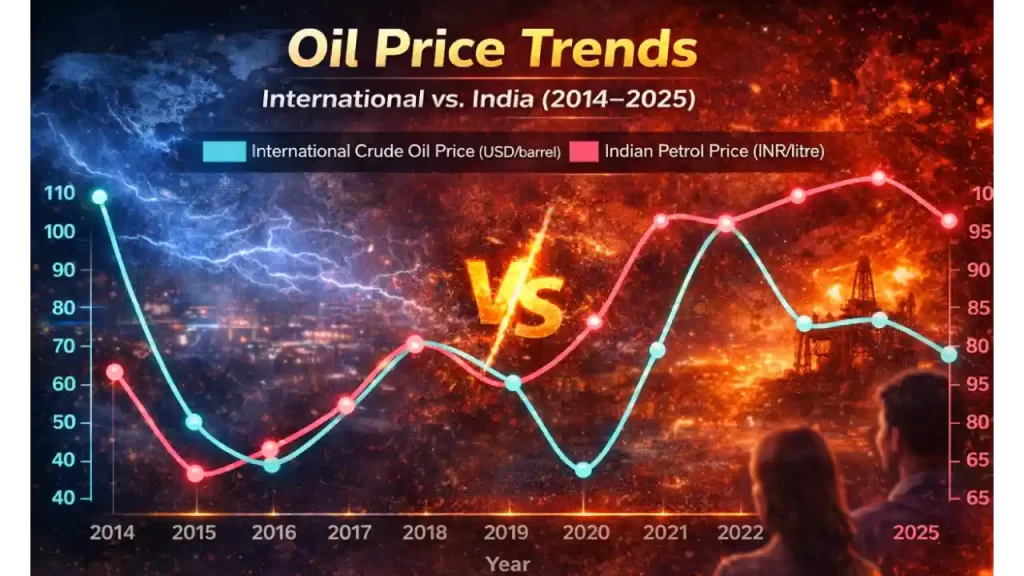
“Fuel prices have remained elevated across many states, according to official data published by the Petroleum Planning & Analysis Cell (PPAC).”
Small Adjustments, Big Behaviour Shifts
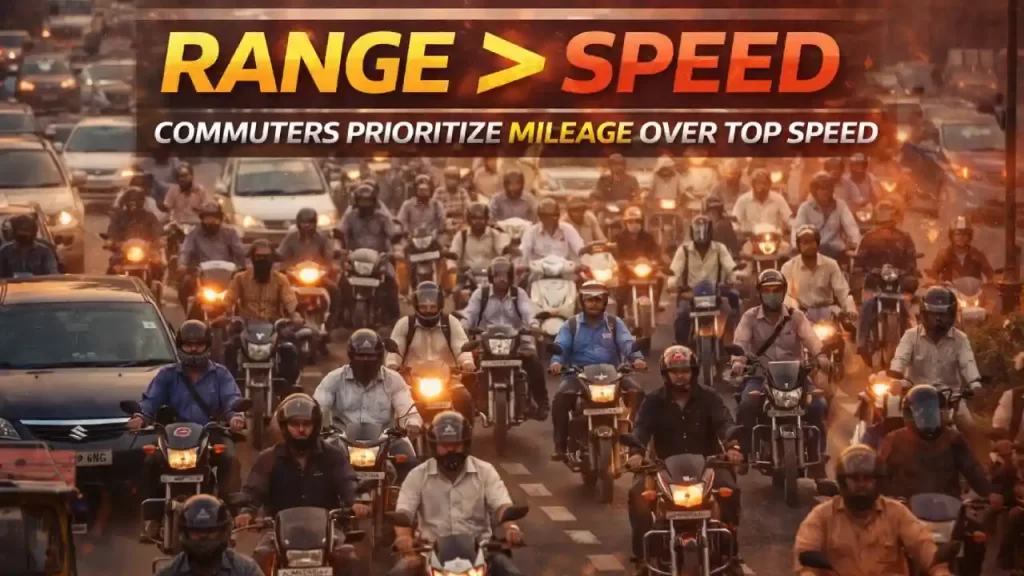
No one announces these changes out loud, but they’re happening everywhere.
Some commuters:
- Delay refuelling until the absolute last moment
- Switch from daily rides to alternate-day travel
- Start walking short distances they once rode
- Share rides informally with colleagues
These aren’t lifestyle statements. They’re adaptive habits — micro-decisions repeated every day.
The Emotional Cost Is Rising Too
Fuel prices don’t just hit wallets. They affect mental bandwidth.
There’s a subtle stress in watching the fuel gauge fall faster than expected, or in calculating whether a detour is “worth it.” Over time, this creates a sense of friction — movement itself starts to feel expensive.
For many daily commuters, especially salaried workers with fixed incomes, fuel inflation feels unavoidable and uncontrollable. You can change groceries. You can delay purchases. But you still need to get to work.
Why Alternatives Are Suddenly Getting Attention
Rising fuel prices are quietly nudging commuters to reconsider options they once ignored.
Public transport feels less inconvenient when fuel feels expensive.Electric scooters feel less risky when petrol feels unpredictable.
Work-from-home days feel valuable not for comfort, but for savings.
This isn’t a sudden revolution — it’s gradual re-evaluation. People aren’t chasing trends. They’re looking for stability.
Who Feels the Impact the Most
Fuel price pressure doesn’t affect everyone equally.
- Two-wheeler riders feel it daily and immediately
- Lower and middle-income commuters feel it as a percentage of income
- Small town commuters feel it without many alternatives
For these groups, fuel isn’t a discretionary cost. It’s non-negotiable.
This Is No Longer About Fuel Alone
What rising fuel prices are really doing is forcing a rethink of mobility.
Not dramatically. Not overnight.
But steadily.
People are asking quieter questions now:
- Is this commute sustainable long-term?
- Can I reduce dependence on fuel?
- Do I need ownership — or just access?
These questions didn’t exist for many commuters a few years ago. Now, they’re unavoidable.
ALSO READ: Are Electric Scooters Ready for Small Towns in India Yet?
The Bigger Picture Going Forward
Fuel prices may go up or down. That’s cyclical.
What isn’t cyclical is the behavioural shift they’ve triggered. Once people start questioning default habits, they rarely return to them unchanged.
Rising fuel prices aren’t stopping daily commuters from moving.
They’re changing how carefully they move.
And that shift — slow, silent, and deeply personal — may outlast any price chart.
Disclaimer:
This article is an editorial analysis intended for informational purposes only. Fuel prices, commuting costs, and transport options vary by region and individual circumstances.
👉 Looking for more EV scooter guides?
Visit our Homepage for the latest updates.